Re-loved Midcentury 

Furniture & Interiors

Welcome to the home of refreshed Mid-Century Modern interiors, made between 1930 and 1980, ready for the next 75 years of life.

Featured

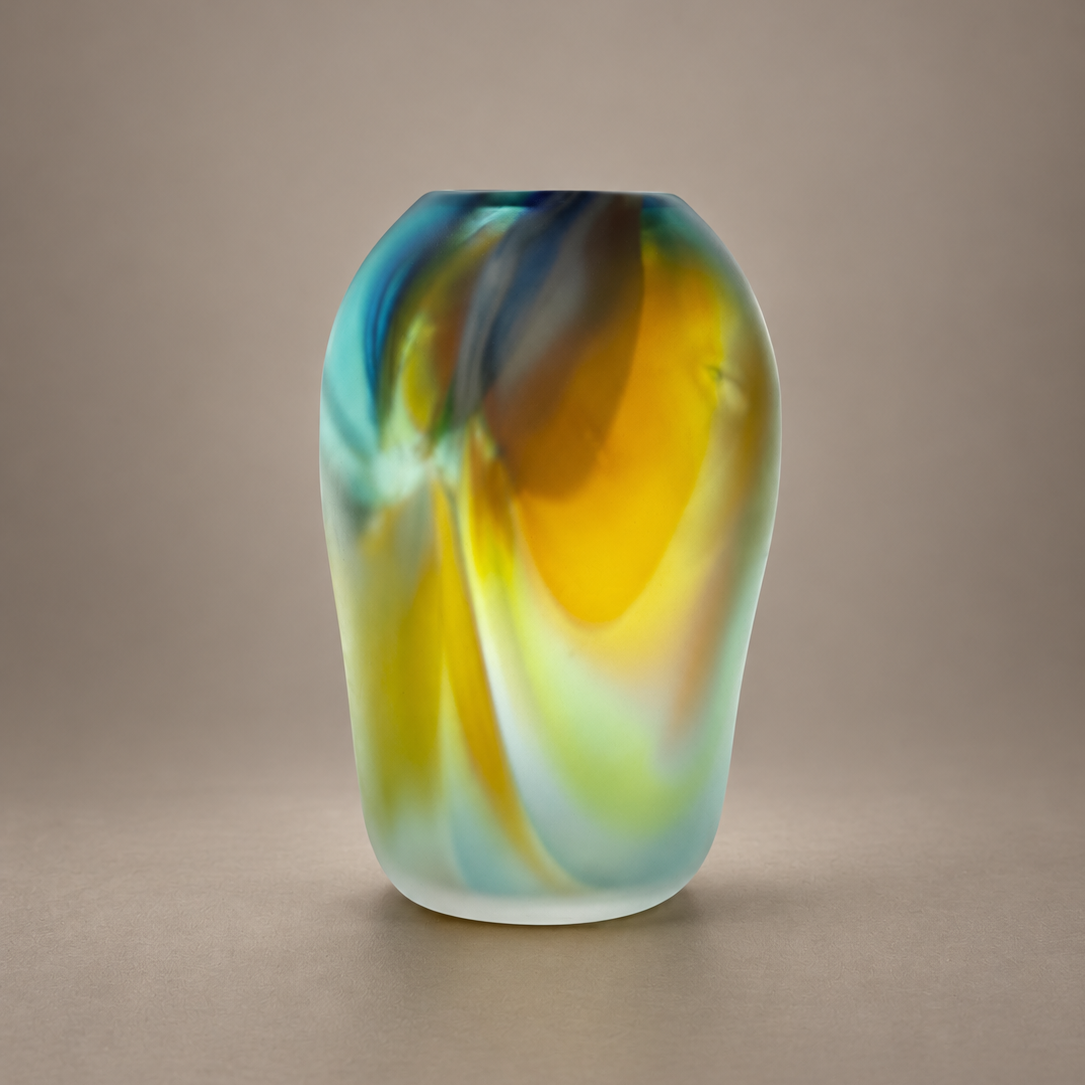
Catinka Glass Vase by Carl Olof Borgarp

£20.00
View Product

Vintage Aladdin Flasks

£12.00 Each
View Product

Faceted Stone Paperweight

£10.00
View Product

Visit the STore in real life

The shop is open to the public every Sunday from 8:00am - 1:00pm.

Cheddar Car Boot Sale & Market
Winchester Farm
Wells Road
Cheddar BS27 3RP

Favourite Brands

Below are the furniture brands I work on most, because they’re an absolute joy to restore. There are many other amazing midcentury makers out there, but these are my go-to choices.

Ercol Vintage

Ercol, founded in High Wycombe by Lucian R. Ercolani in 1920, is one of the best-loved names in British furniture. Its vintage appeal rests on beautifully made solid-wood pieces and the hugely influential Windsor range, launched in 1950, whose light, elegant forms helped define post-war British modern design.

Harris Lebus

Harris Lebus was one of the giants of British furniture manufacturing, growing from a London workshop into the largest furniture-making business in Great Britain by the end of the nineteenth century. Earlier Lebus pieces are often associated with Arts and Crafts and Art Nouveau influences, while the firm later became known for large-scale, affordable production and its ability to adapt to changing tastes.

Nathan

Nathan Furniture, founded by Barnett Nathan in London in 1916, built its reputation on quality, value and quietly elegant home furniture. The brand’s Squares range is one of its most iconic designs: a hugely successful 1970s line that combined clean modernist forms with Jacobean-inspired square panelling, giving Nathan a distinctive and instantly recognisable look.

Schreiber

Founded by Chaim Schreiber in 1957, Schreiber became a major force in British furniture during the 1960s and 1970s, thanks to strong manufacturing and practical design. Many of its vintage pieces are recognisable for their recessed or rounded drawer pulls and curved drawer construction. Those handle shapes give some Schreiber cabinets and chests the playful, almost “smiley” look. Once you see it, you can’t unsee it and help but smile back.

Stonehill

Stonehill Furniture began with cabinet maker Nathan Steinberg, who started the business in London in 1910; after the Second World War it became Stonehill Furniture and expanded into a substantial company. The name is now especially associated with 1960s and 1970s teak sideboards, wall units and cabinets that capture a confident, sculptural version of British mid-century modern style.

G Plan

G Plan began in 1953 as a modern furniture range from E. Gomme of High Wycombe and quickly became one of the defining British brands of the post-war era. It stood out for stylish, mix-and-match furniture promoted through bold advertising and full room displays, making contemporary design feel both desirable and accessible to ordinary households.

Avalon Yatton

Avalon Yatton grew out of the older Wake & Dean works in Yatton, Somerset, a firm with roots in school and church furniture before it evolved into stylish domestic pieces for the mid-century home. Vintage Avalon is especially admired for clean-lined cabinets, wardrobes and storage furniture that gave British modern design a practical, understated elegance.

CC41 Utility

CC41 Utility is the British government’s wartime mark for “Utility” furniture made under rationing and material controls. These pieces were designed to be simple, sturdy and affordable, and were distributed through a permit and voucher system to help people furnish homes during and after the Second World War.

Other British Midcentury

Sometimes, we can’t put a definitive maker to a piece. We only market a designer if we have evidence to back it, such as a maker’s mark or a very distinct design decision. There are some convincing reproductions out there! When this is the case, we’ll always say it’s a reproduction. If it has the appropriate stamp, we’ll say it’s British Midcentury, Made in Denmark, orMaker Unknown.